
Dental Implant for Missing Teeth: A Permanent, Seamless Solution
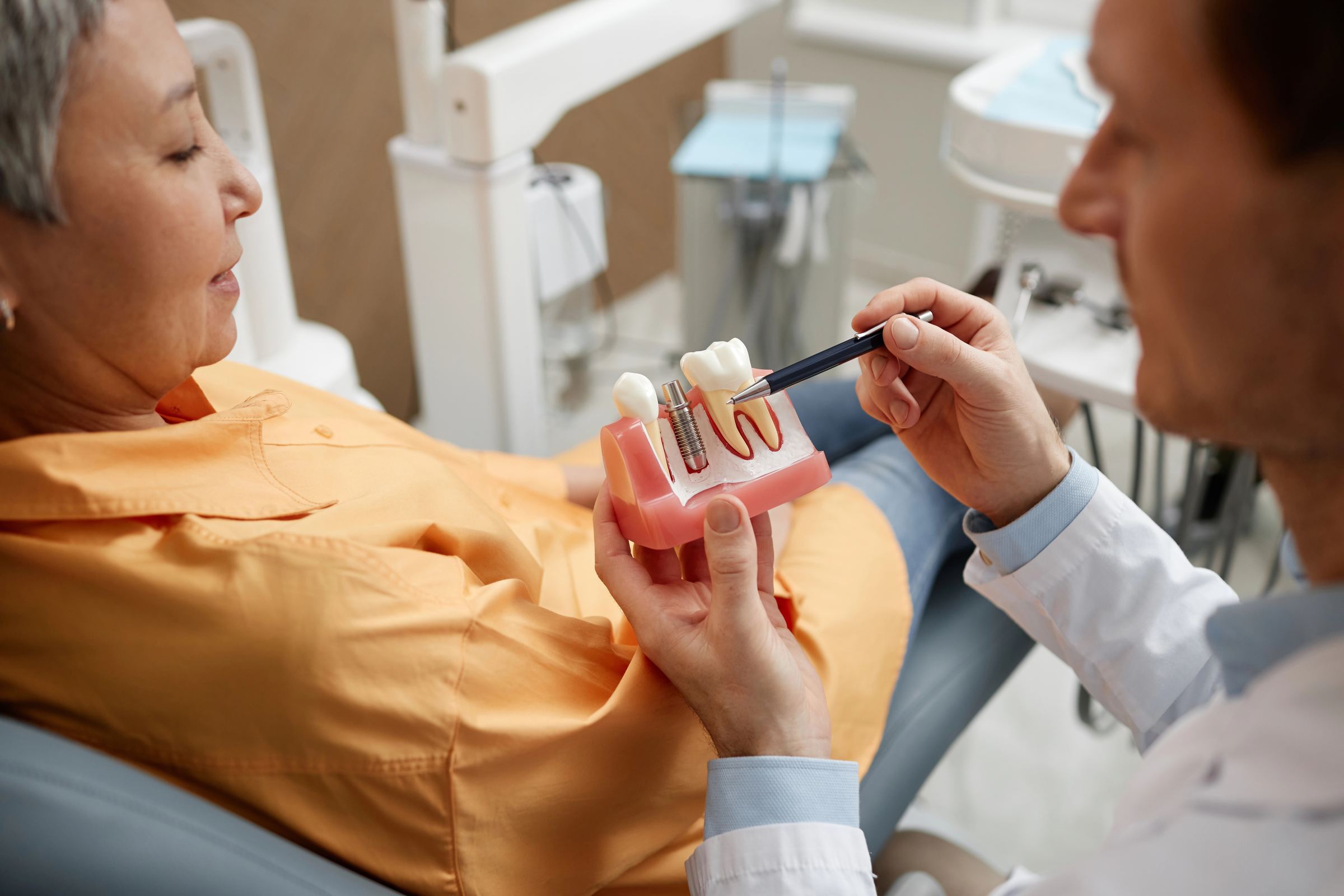
Are you considering a dental implant for missing teeth as a long-term, natural-looking solution? Dental implants can restore function, appearance, and confidence by replacing both the visible tooth and the missing tooth root.
Dental Implant for Missing Teeth
A dental implant for missing teeth is designed to act as an artificial tooth root that supports a replacement tooth. The implant is placed into the jawbone, where it gradually integrates with the surrounding bone to create a stable foundation.
Once the implant has healed, it can support a crown, bridge, or other restoration that is designed to blend with the surrounding teeth.
Patients exploring tooth replacement options can learn more about dental implants in Charlotte and the different ways implants can restore missing teeth.
Benefits of Dental Implants
Dental implants offer several benefits for patients who want a stable and natural-looking replacement for missing teeth.
Because the implant is anchored in the jawbone, it can provide strong support for chewing and speaking. This stability can also help patients feel more confident during everyday activities.
Dental implants may also help preserve jawbone structure by providing stimulation in the area where a tooth has been lost. Unlike some traditional bridges, implants generally do not require altering adjacent healthy teeth.
Patients can learn more about the benefits and treatment process by visiting Ascend Dentistry’s dental implant services.
Dental Implant Procedure Overview
Dental implant treatment typically involves several stages.
The process begins with an evaluation of the teeth, gums, jawbone, and overall oral health. Diagnostic imaging may be used to determine whether there is enough bone to support an implant and to plan the ideal placement location.
The next stage involves dental implant surgery, during which the implant post is surgically positioned in the jawbone.
After placement, the implant gradually integrates with the surrounding bone through a process called osseointegration. Once healing is complete, an abutment is attached to the implant and the final restoration can be placed.
The final crown, bridge, or denture is designed to restore both appearance and function.
Dental Implant Restorations
The restoration placed on top of a dental implant depends on how many teeth need to be replaced.
A single missing tooth may be restored with an individual implant and crown. Several missing teeth may be replaced with an implant-supported bridge, while patients with extensive tooth loss may benefit from a larger implant-supported restoration.
Ascend Dentistry provides several dental implant and restoration options designed to restore function and create a natural-looking smile.
The appropriate restoration depends on the number and location of missing teeth, bone structure, bite, and overall treatment goals.
Types of Dental Implant Treatment
Dental implant treatment can be customized based on the patient's specific needs.
Single-tooth implants are commonly used to replace one missing tooth without relying on neighboring teeth for support.
Implant-supported bridges may be used when several adjacent teeth are missing.
Patients who are missing most or all of their teeth may also be candidates for full-mouth or full-arch implant treatment.
A consultation allows the dental team to determine which dental implant treatment option is most appropriate.
Comparing Implants With Other Tooth Replacement Options
Dental implants, bridges, and dentures can all be used to replace missing teeth, but each option functions differently.
Traditional dentures are removable and rest on the gums. Dental bridges are typically supported by neighboring teeth.
Dental implants are anchored directly into the jawbone and are designed to function more like natural tooth roots.
For patients who are good candidates, implants can provide greater stability while eating and speaking and may help preserve the bone in the area of the missing tooth.
The best option depends on oral health, bone condition, the number of missing teeth, treatment goals, and budget.
Longevity of Dental Implants
One of the advantages of dental implants is their potential for long-term durability.
The implant itself is designed to remain securely integrated with the jawbone. However, the crown, bridge, or denture attached to the implant may eventually need maintenance or replacement because of normal wear.
Good oral hygiene and regular dental visits play an important role in maintaining implant health.
Factors such as smoking, gum disease, uncontrolled medical conditions, and poor oral hygiene can affect healing and long-term outcomes.
Dental Implant Maintenance
Dental implants require consistent care to maintain healthy surrounding gums and supporting bone.
Patients should brush regularly and clean carefully around the implant restoration to reduce plaque buildup.
Routine professional cleanings and dental examinations are also important. These visits allow the dental team to evaluate the implant, restoration, surrounding gum tissue, and bite.
Although an implant cannot develop a cavity, the tissues surrounding it can still develop inflammation or infection if plaque is not properly controlled.
Bone Health and Dental Implants
Healthy jawbone is important for supporting a dental implant.
After a tooth is lost, the surrounding bone may gradually shrink because it no longer receives stimulation from the natural tooth root.
Dental implants can help maintain bone stimulation by transferring chewing forces into the jaw.
For patients who have experienced significant bone loss, additional treatment may sometimes be necessary before implant placement. Ascend Dentistry evaluates bone structure as part of the dental implant surgery planning process.
Common Myths About Dental Implants
One common misconception is that dental implant treatment is extremely painful.
The procedure is typically performed with local anesthesia, and additional comfort options may be available depending on the patient's needs. Some temporary soreness or swelling may occur during recovery.
Another misconception is that implants require complicated maintenance. In most cases, caring for an implant-supported restoration is similar to caring for natural teeth and includes regular brushing, cleaning between teeth, and professional dental care.
Dental implants are also not limited to older adults. Candidacy depends more on oral health, bone condition, overall health, and jaw development than age alone.
Advances in Dental Implant Treatment
Modern imaging and treatment-planning technology can help improve the accuracy of dental implant procedures.
Digital imaging allows the dental team to evaluate bone structure, surrounding anatomy, and potential implant locations before surgery.
Careful planning can also help coordinate the surgical and restorative stages of treatment so that the implant is positioned to properly support the final crown, bridge, or denture.
These tools support a more personalized approach to dental implant treatment.
Choosing a Dental Implant Provider
Choosing an experienced provider is an important part of the dental implant process.
The dental team should evaluate your oral health, review diagnostic imaging, explain the surgical procedure, and discuss the type of restoration that will be placed after healing.
Patients should also understand the expected treatment timeline, recovery process, maintenance requirements, and overall costs before moving forward.
Ascend Dentistry offers a range of dental services in Charlotte, including implant treatment, implant surgery, and implant restorations.
Conclusion
A dental implant for missing teeth can provide a stable, natural-looking, and long-term solution for restoring your smile. By replacing the missing tooth root and supporting a custom restoration, implants can improve chewing, appearance, oral stability, and confidence.
To find out whether dental implants may be right for you, explore dental implants in Charlotte or call Ascend Dentistry at 704-635-6588 to schedule a consultation.