
Dental Implant Specialists in Charlotte Expertise You Can Trust
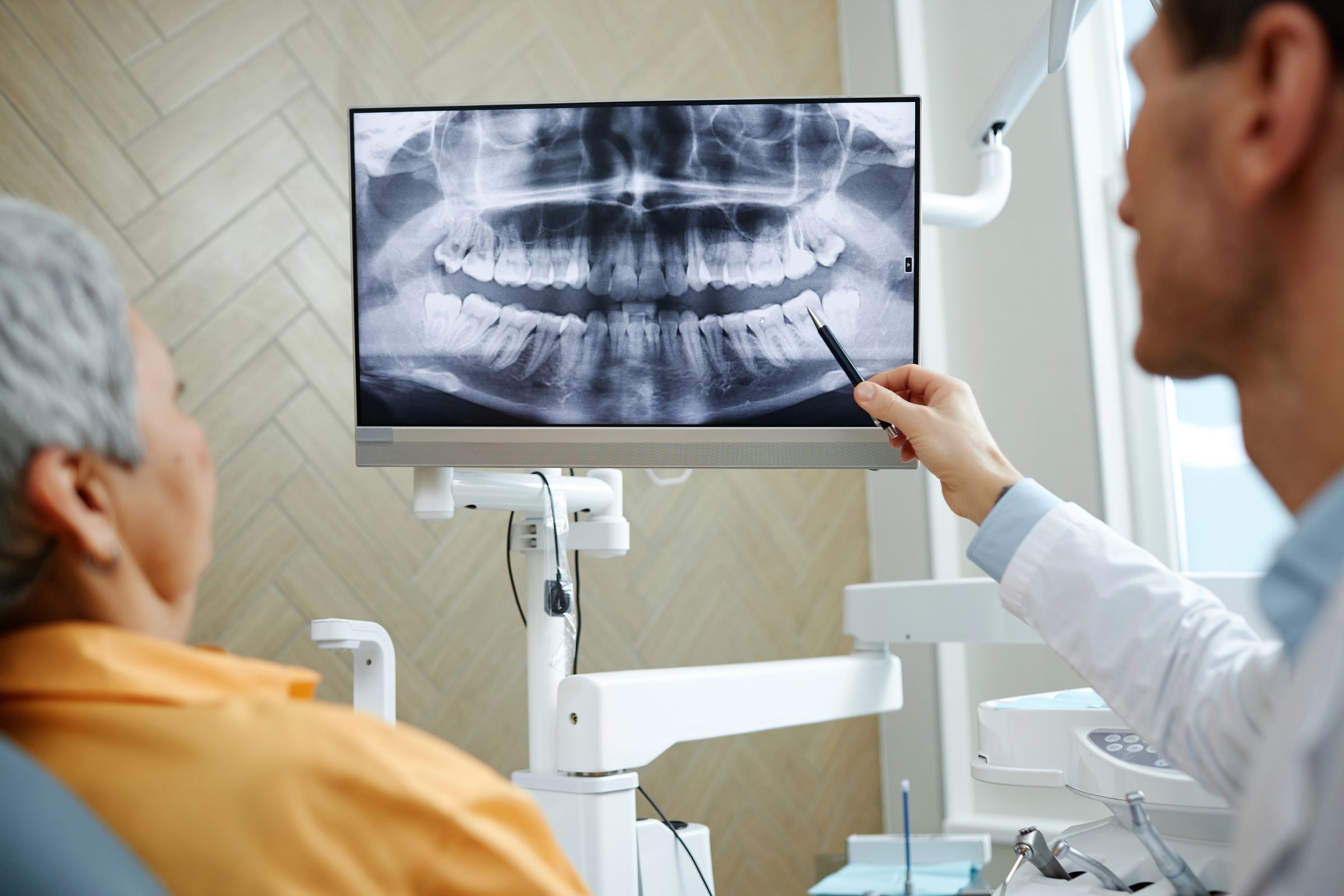
Are you searching for dental implant specialists in Charlotte who offer experience, precision, and personalized care? Choosing the right provider can make a significant difference in how confidently you move through treatment, from the initial evaluation to implant placement and final restoration.
Dental Implant Specialists in Charlotte
Dental implant specialists in Charlotte help patients restore missing teeth with stable, natural-looking solutions designed to improve both function and appearance.
Dental implants are placed into the jawbone to support replacement teeth, which can help improve chewing ability, speech, comfort, and confidence. They can also help preserve bone structure in areas where teeth have been lost.
Patients who want to learn more about available options can explore dental implants in Charlotte and the different treatment approaches available at Ascend Dentistry.
Types of Dental Implants
Dental implant treatment can vary depending on the number of missing teeth, bone structure, bite, and overall oral health.
A single missing tooth may be replaced with one implant and crown. Several missing teeth may be restored with an implant-supported bridge, while patients with more extensive tooth loss may benefit from a full-arch or full-mouth implant solution.
The appropriate treatment depends on individual needs rather than a one-size-fits-all approach.
Patients can learn more about dental implant and restoration options to better understand how different restorations may be used after implant placement.
Implant Procedure Overview
The dental implant process usually begins with a comprehensive evaluation of the teeth, gums, jawbone, and overall oral health.
Diagnostic imaging may be used to evaluate bone structure and determine the best location for implant placement.
The surgical stage involves placing the implant into the jawbone so it can function as an artificial tooth root. Patients can review the dental implant surgery process to learn more about placement, healing, and what to expect during recovery.
After the implant integrates with the surrounding bone, an abutment and final restoration can be placed to restore appearance and function.
Dental Implant Restorations
Once the implant has healed, the final restoration is attached.
Depending on the patient's needs, this may involve a crown, bridge, denture, or full-arch prosthetic restoration.
The restorative stage is important because it determines how the replacement teeth look, feel, and function once treatment is complete.
Ascend Dentistry provides more information about dental implants and restorations for patients who want to understand their restorative options.
Cost of Dental Implants
The cost of dental implants can vary depending on the complexity of treatment.
Factors that may influence cost include the number of implants needed, the condition of the jawbone, whether additional procedures are required, and the type of final restoration selected.
A single-tooth implant generally requires a different treatment plan than a full-mouth restoration, so pricing should be based on a personalized evaluation.
Patients can also review Ascend Dentistry's insurance and financing information to better understand available payment options.
Recovery and Aftercare
Recovery is an important part of the implant process.
Patients may experience temporary swelling, tenderness, bruising, or discomfort after implant placement. These symptoms typically improve during the early stages of healing.
Following post-operative instructions and attending follow-up appointments can help support proper recovery.
During the healing period, the implant gradually integrates with the surrounding jawbone. Patients who want more detailed information about this stage can review the dental implant surgery and recovery process.
Comparing Implants to Other Options
Dental implants are one of several options for replacing missing teeth.
Traditional dentures are removable and rest on the gums, while bridges typically rely on neighboring teeth for support.
Dental implants are anchored into the jawbone, which can provide greater stability while eating and speaking.
For patients who are suitable candidates, implants may also help preserve bone structure and reduce the need to modify adjacent healthy teeth.
The most appropriate option depends on oral health, bone condition, treatment goals, and budget.
Long-Term Success and Maintenance
Dental implants are designed to provide long-term support, but their success depends on proper care.
Patients should maintain good oral hygiene, including brushing and cleaning around implant-supported restorations.
Routine dental examinations and professional cleanings are also important for monitoring the implant, surrounding gum tissue, bite, and final restoration.
Although the implant itself cannot develop a cavity, the tissues surrounding it can still become inflamed if plaque is not properly controlled.
Choosing the Right Implant Specialist
Choosing the right implant specialist involves more than finding someone who places implants.
A qualified provider should evaluate your oral health carefully, review diagnostic imaging, explain your treatment options, and coordinate both the surgical and restorative stages of care.
Patients should also feel comfortable asking questions about the procedure, recovery, expected timeline, cost, and long-term maintenance.
Ascend Dentistry offers a range of dental services in Charlotte, including dental implant treatment, implant surgery, and restorative dentistry.
Addressing Common Implant Concerns
It is normal to have questions before starting dental implant treatment.
Some patients are concerned about discomfort during the procedure. Implant surgery is typically performed with local anesthesia, and additional comfort options may be available depending on individual needs.
Others worry about how long treatment takes. The overall timeline varies based on healing, bone condition, and the type of restoration being placed.
Patients may also wonder whether they have enough bone for implants. A comprehensive evaluation can help determine whether additional procedures are necessary before placement.
Why Local Expertise Matters
Working with a local dental implant provider can make the overall process more convenient.
Implant treatment may involve several appointments, including consultation, surgery, follow-up visits, and placement of the final restoration.
Choosing a nearby provider makes it easier to attend these appointments and maintain ongoing care after treatment is complete.
Patients searching for dental implant specialists in Charlotte can explore dental implant treatment at Ascend Dentistry to learn more about available options.
Conclusion
Dental implant specialists in Charlotte can help patients restore missing teeth with treatment designed around their oral health, function, and long-term goals.
From treatment planning and implant placement to the final restoration, careful coordination can help create a stable, natural-looking result.
To learn whether dental implants may be right for you, visit dental implants in Charlotte or call Ascend Dentistry at 704-635-6588 to schedule a consultation.