
Single Tooth Implant Replacement: A Natural and Lasting Fix
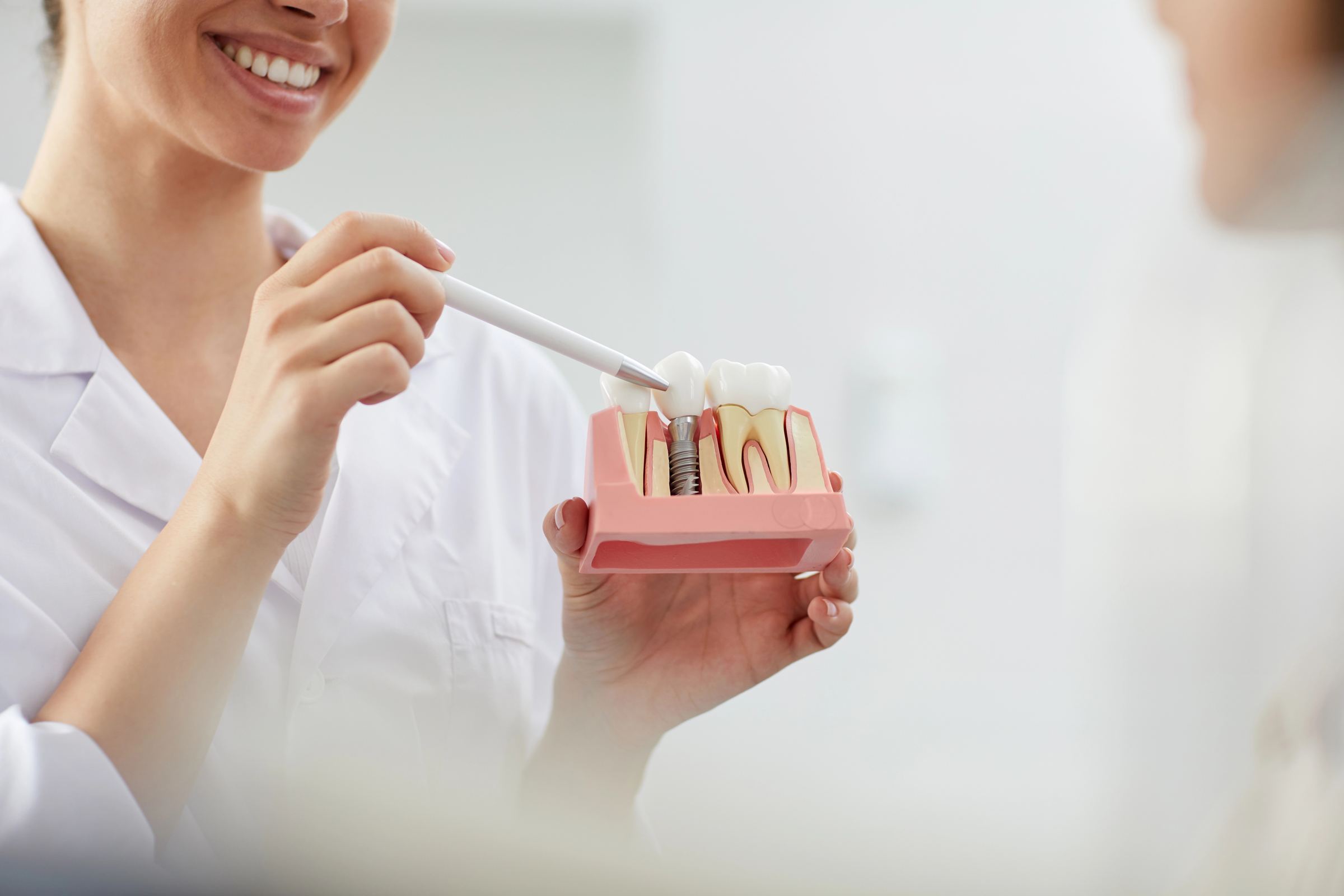
Have you ever wondered if single tooth implant replacement could be the right solution for a missing tooth? A dental implant can provide a stable, natural-looking replacement designed to restore function while helping preserve the surrounding teeth and jawbone.
Single Tooth Implant Replacement
Single tooth implant replacement is designed to replace one missing tooth without relying on neighboring teeth for support.
The treatment typically uses a dental implant placed into the jawbone to act as an artificial tooth root. After the implant integrates with the surrounding bone, a custom restoration is attached to complete the replacement.
Because the implant stands independently, adjacent healthy teeth generally do not need to be altered.
Patients who want to learn more about implant treatment can explore dental implants in Charlotte.
Benefits of Single Tooth Implant Replacement
Single tooth implant replacement offers several advantages for patients who are missing one tooth.
The restoration is designed to closely match the surrounding teeth, helping create a natural appearance. Because the implant is anchored in the jawbone, it can also provide strong support for chewing and speaking.
Another important benefit is preservation of the surrounding teeth. Unlike a traditional bridge, a single implant typically does not require reducing neighboring healthy teeth for support.
Dental implants may also help maintain bone in the area of the missing tooth by providing stimulation to the jaw.
Implant Procedure Overview
The single tooth implant process usually begins with a comprehensive examination.
The dental team evaluates the gums, jawbone, bite, and surrounding teeth to determine whether implant treatment is appropriate. Diagnostic imaging may also be used to plan the implant position.
The surgical stage involves placing the implant into the jawbone. Patients can learn more about the dental implant surgery process, including placement, healing, and what to expect during recovery.
After the implant has integrated with the bone, an abutment and final crown can be attached.
Dental Implant Crown Restoration
Once healing is complete, the implant is restored with a custom-made crown.
The crown is designed to match the size, shape, and appearance of the surrounding teeth while restoring normal function.
The restorative stage is an important part of treatment because it determines how the replacement tooth fits into the bite and how naturally it blends with the smile.
Patients can learn more about dental implants and restorations and the restorative options available after implant placement.
Healing and Recovery Process
Recovery after single tooth implant surgery varies depending on the individual treatment plan.
Some temporary swelling, tenderness, or discomfort may occur during the first several days. Following post-operative instructions can help support proper healing.
The implant then needs time to integrate with the surrounding jawbone through a process called osseointegration.
Regular follow-up appointments allow the dental team to monitor healing and determine when the implant is ready for the final restoration.
For more information about recovery, patients can review the dental implant surgery and healing process.
Longevity of Dental Implants
Dental implants are designed to provide long-term support for replacement teeth.
The implant itself can remain stable for many years when the surrounding bone and gum tissue remain healthy. The crown attached to the implant may eventually need maintenance or replacement because of normal wear.
Good oral hygiene, professional cleanings, and routine dental examinations are important for protecting the implant over time.
Factors such as smoking, gum disease, and poor oral hygiene can negatively affect long-term implant health.
Comparing Implants to Other Options
A single dental implant is one of several options available for replacing a missing tooth.
A traditional bridge typically uses neighboring teeth for support. This may require those teeth to be reshaped so crowns can be placed over them.
A removable partial denture is another option, but it is not fixed in place.
A single tooth implant is anchored independently in the jawbone and does not generally require altering adjacent healthy teeth.
The most appropriate option depends on oral health, bone condition, bite, treatment goals, and budget.
Jawbone Health and Dental Implants
Jawbone health plays an important role in dental implant treatment.
After a tooth is lost, the bone in that area may gradually shrink because it no longer receives stimulation from the natural tooth root.
A dental implant can help provide stimulation to the jawbone by transferring chewing forces into the bone.
Patients with significant bone loss may require additional treatment before implant placement. The dental team can evaluate bone structure during the dental implant treatment planning process.
Factors Affecting Implant Success
Several factors can influence the success of a single tooth implant replacement.
Healthy gums and adequate bone support are important for implant stability. Good oral hygiene also helps protect the tissues surrounding the implant.
Overall health, smoking habits, bite forces, and certain medical conditions can also affect healing.
Careful treatment planning and accurate implant placement are important parts of creating a predictable result.
Common Myths About Dental Implants
One common misconception is that dental implant surgery is extremely painful.
The procedure is typically performed with local anesthesia, and additional comfort options may be available depending on the patient's needs. Some soreness or swelling may occur during recovery.
Another misconception is that implants require complicated maintenance. In most cases, implant-supported crowns are cared for with regular brushing, cleaning between teeth, and routine professional care.
Dental implants are also not limited to older adults. Candidacy depends primarily on oral health, bone condition, overall health, and jaw development.
Dental Implant Technology
Modern dental technology can help improve implant planning and restorative accuracy.
Digital imaging allows the dental team to evaluate the jawbone and surrounding anatomy before surgery. This information can help determine the ideal implant position.
Digital planning can also help coordinate the implant placement with the final crown so the finished restoration supports proper function and appearance.
These tools support a more personalized approach to implant treatment.
Choosing a Dental Implant Provider
Choosing an experienced provider is an important part of single tooth implant replacement.
The dental team should evaluate the surgical and restorative aspects of treatment, explain the expected timeline, and discuss the final crown before treatment begins.
Patients should also understand recovery expectations, long-term maintenance, and estimated costs.
Ascend Dentistry offers a range of dental services in Charlotte, including dental implants, implant surgery, and restorative dentistry.
Conclusion
Single tooth implant replacement can provide a stable and natural-looking solution for replacing one missing tooth without relying on neighboring teeth for support.
By replacing the missing tooth root and supporting a custom crown, an implant can help restore chewing function, appearance, and confidence while supporting long-term oral health.
To learn whether a single tooth implant may be right for you, explore dental implants in Charlotte or call Ascend Dentistry at 704-635-6588 to schedule a consultation.